Devendra Pandey: Chasing Stories from Mumbai’s Maidaans to The Indian Express
- AAM MUMBAIKAR
- Jun 13
- 5 min read
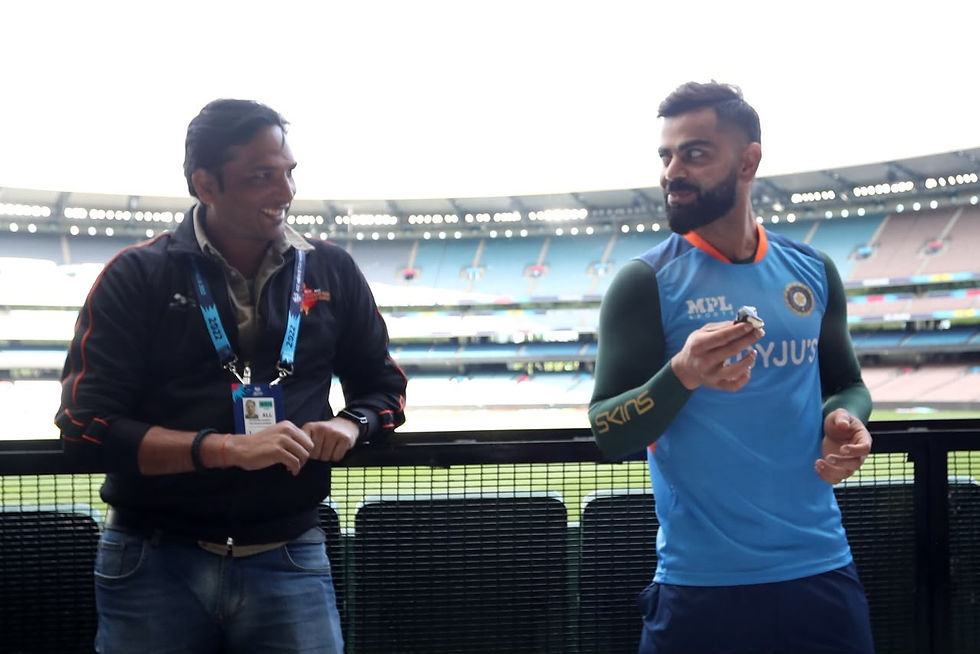
For Devendra Pandey, journalism was never part of a grand career plan. There was no childhood dream of becoming a reporter, nor was there a carefully mapped-out path into the media industry. In fact, as he candidly admits, journalism happened largely by chance.
Today, however, he serves as Deputy Associate Editor at The Indian Express, one of India's most respected newspapers, and has spent over two decades building a reputation as a trusted voice in sports journalism.
His journey began in 2004, thanks to a combination of friendship, cricket, and destiny.
At the time, Devendra briefly worked as an intern with the Hindi newspaper Navbharat Times. Around the same period, one of his closest friends, Taus Rizvi, who worked with The Asian Age, helped him secure an internship opportunity. But even that opportunity came with an unexpected twist. "The Asian Age was looking for a fast bowler who could play for their press team," he recalls. "As destiny would have it, I landed up playing for them. Later, I asked their bosses if I could work as an intern, and they agreed."
That simple request marked the beginning of a career that would eventually take him to some of the biggest sporting events and introduce him to some of India's most celebrated cricketers.
Devendra completed his Bachelor of Mass Media (BMM) degree from Rizvi College at a time when the course was still relatively new under the University of Mumbai. Unlike traditional degree programmes, BMM attracted students who saw journalism and advertising as alternative pathways to exciting careers. "I graduated in advertising, but somehow I found myself more attracted towards journalism," he says. "Probably because of my background, I was naturally inclined towards sports journalism." There was also another factor at play—the fear of letting go of the first significant opportunity life had presented him. "Middle-class men look for stability in their lives, and I'm no exception," he says. "The press card gives a different kind of nasha. Representing a newspaper gives you that elite feeling in society."
While covering grassroots cricket, Devendra found himself reporting on many players with whom he had shared the field. He noticed the subtle change in how people interacted with him once he became a journalist. More importantly, his years as a cricketer gave him something invaluable—practical experience.
"My cricketing experience helped immensely," he says. "You cannot buy practical experience in a supermarket. If one has to prosper in life, they need to be on the ground. They need to be close to the action." Working for a newspaper exposed him to real-world journalism in ways no classroom ever could. Deadlines, exclusive interviews, feature writing, and desk work became his daily learning ground. "People spend lakhs of rupees to get that feeling by joining big colleges," he says. "But when I meet many of those students today, they regret spending so much." Coming from a humble background, Devendra understood the value of every opportunity. Like many young Indians, he was uncomfortable asking his parents for money. His internship days were far from easy.
He would attend college, rush to cover school sports events, head straight to the newsroom, and return home late at night. While many of his classmates enjoyed leisurely evenings, he spent his time hunting for stories across Mumbai's sprawling maidaans. There was another challenge as well. "My English wasn't great," he admits. "Every sentence had every possible grammatical flaw." The reactions of sub-editors editing his copy often made that painfully clear. Yet rather than allowing this to discourage him, he focused on developing strengths that would set him apart.

"I knew I couldn't be William Shakespeare," he says with characteristic honesty. "But newspapers need good reporters, especially those who can do the legwork." Instead of obsessing over literary perfection, Devendra concentrated on building relationships and earning trust.
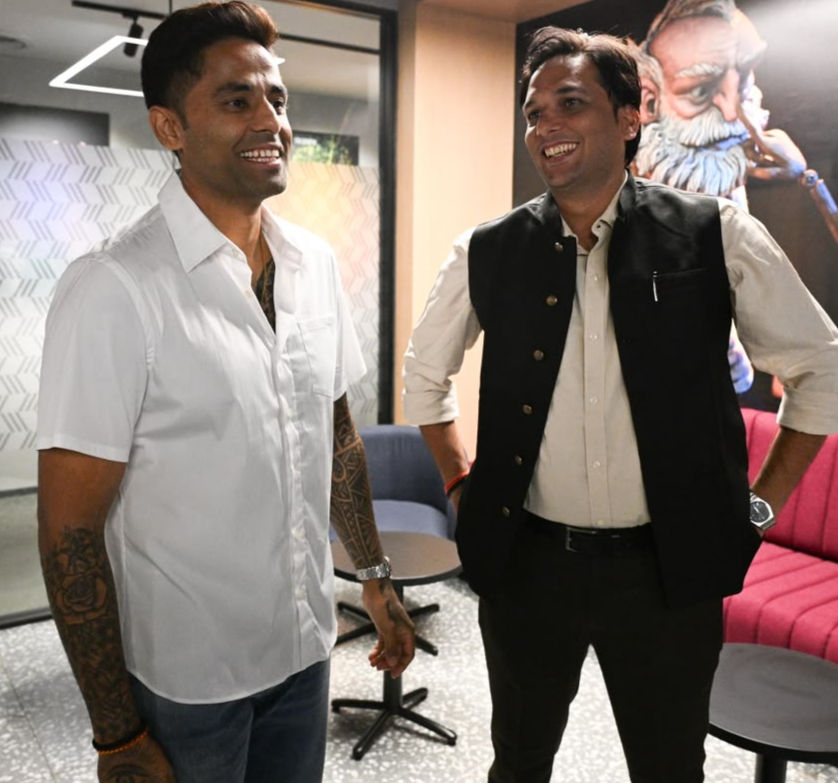
"I focused on becoming friends with my sources. I gave a more human touch to my reporting style." Throughout his career, he has believed in cultivating relationships, remaining calm under pressure, and speaking honestly—even to powerful individuals. At the same time, he understood the importance of respecting professional boundaries. "Trust is the most difficult thing to gain," he says. His patience paid off. Over the years, many players and administrators opened their doors to him. From cricket stars like Rohit Sharma and Suryakumar Yadav to numerous officials across the sport, Devendra built relationships founded on credibility and respect.
Yet he remains grounded about the access he has received. "I always tried to remain humble. I knew whatever access I was getting was also because I worked for a reputed newspaper." When asked what aspiring journalists should focus on today, his advice is refreshingly direct. "Join journalism for passion, not for money." He believes young professionals entering the field must understand the sacrifices involved. Journalism is demanding, often requiring round-the-clock availability. Personal time becomes limited, weekends disappear, and financial rewards are rarely the primary motivation.
"There are no weekends and no perks," he says. "Journalism is purely for those who are passionate." He also points to the rapidly changing media landscape. Social media platforms have transformed how information is consumed, while independent content creators and YouTubers have become fierce competitors to traditional news organisations.
"In today's mobile age, everyone is a reporter," he says. "So try to find your own path."
For those committed to the profession, he recommends becoming a specialist in a chosen beat and being prepared for a long journey. "It may take ten years or even twenty years. Once you make a name for yourself, things become even tougher."
His advice extends beyond journalism and into life itself: be honest, work hard, and never expect anything in return.
Over the years, Devendra has watched many colleagues leave the profession. Some moved into corporate communications, while others entered public relations after realising that financial opportunities elsewhere were significantly greater.

"As the years pass, you see your classmates and friends earning much more money and becoming millionaires," he says. "Many journalists regret staying in the profession."
For him, however, journalism remained the only path he truly wanted to follow.
"I still love my job. I still love meeting people." Technology has made the profession easier in some ways. Thanks to smartphones, he can now file stories from virtually anywhere in the world. Yet despite the years spent interacting with countless people, he admits that his closest friendship remains the same one he formed in college.
Reflecting on his journey, Devendra offers one final piece of advice to the next generation of journalists: "Spend more time on the field than in an air-conditioned office. Keep your eyes and ears open." And perhaps the most important reminder of all:
"Remember, everything is not a story. You are just a storyteller—a name behind the byline."
For someone who stumbled into journalism through a cricket match and an unexpected internship opportunity, Devendra Pandey's story serves as a powerful reminder that careers are not always carefully planned. Sometimes, they emerge from chance encounters, relentless hard work, and a willingness to stay close to the action.
In an age where everyone has a platform and information travels instantly, his journey underscores a timeless truth: trust, authenticity, and persistence remain journalism's most valuable currencies.



Comments